
"Chile cafes"
100 article(s) found

Introduction to the treatment methods of planting varieties in the brief History of Costa Rican Coffee
Brief history of coffee the earliest time of introduction of coffee was in 1720 according to CR official data. Baidu data showed that 1729 of coffee was introduced from Cuba. In short, coffee has taken root in CR in the 18th century. It was first planted in the central valley (central valley). In the 19th century, the government vigorously promoted the cultivation of coffee, including the allocation of land as long as it was willing to cultivate coffee, and that it could become soil after five years of cultivation.

Do you know what kind of Peruvian coffee beans are? | which Peruvian coffee brands are better?
Professional coffee knowledge exchange more coffee bean information please follow the coffee workshop (Wechat official account cafe_style) Peru is located in western South America, bordering the South Pacific, between Chile and Ecuador. Peru has a very diverse climate, from the tropics in the east to the dry deserts in the west, and from the temperate zone to the cold of the Andes. Different climates are tight with the main geographical areas of Peru
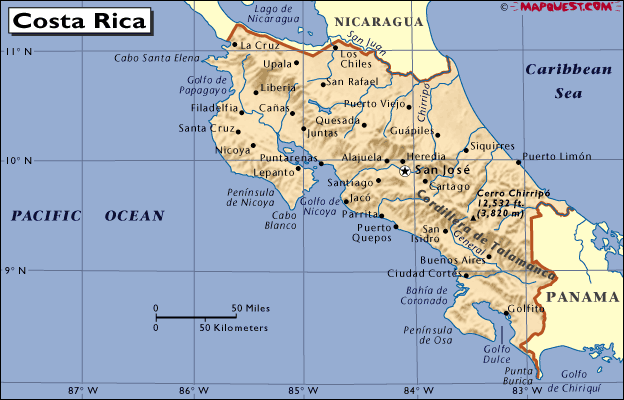
World Coffee Manor area introduction: coffee country Costa Rica Cafe de Costa Rica
Country profile Costa Rica, Spanish La Republic de Costa Rica, English the Republic of Costa Rica, full name Costa Rica. San Jose, the capital, San Jose. The official language is Spanish. The administration is divided into 7 provinces, 81 counties and cities and 421 districts. In 1502, Columbus first discovered the coast of CR during his fourth voyage. Then, West
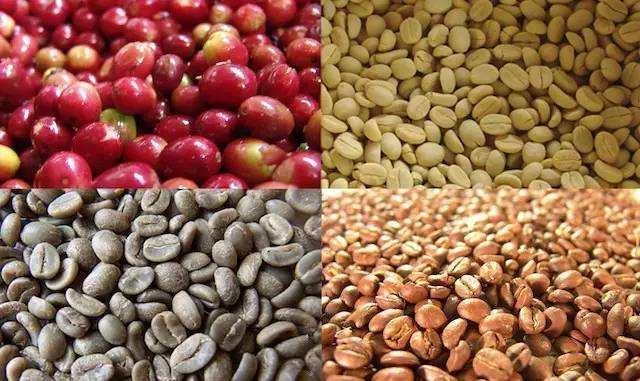
Costa Rican coffee. How about Costa Rican coffee?
Following Cafe (official Wechat account vdailycom) found that the coffee beans produced in the high latitudes of Costa Rica are famous in the world, full-bodied, mild but extremely sour, and the coffee beans here are carefully processed, which is why there is high quality coffee. In the brief history of coffee, the earliest time of introduction of coffee was in CR official funding.

A brief introduction to the planting market price of high-grade vanilla sweet Bolivian boutique coffee beans
The eastern and central part belongs to the savanna climate, the transition from the western mountain to the subtropical climate, and the inland plateau to the mountain climate. The climate in most areas is dry and cool; the annual precipitation decreases from 2000 mm to less than 100mm from northeast to west. [7] Natural resources are rich in mineral resources, including tin, antimony, tungsten, silver, zinc, lead, copper, nickel, iron, gold and so on. Abundant mineral deposits

Ecuadorian Coffee Fapei Coffee Cooperative Information Gold Cup Ecuadorian Coffee Flavor Description
Professional barista exchanges, please pay attention to coffee workshop (Weixin Official Accounts cafe_style) Ecuador coffee planting area introduction: Ecuador, full name Ecuador Republic (Spanish: Repblica del Ecuador) is a country located in the northwest of South America, adjacent to Colombia in the north, Peru in the south, the Pacific Ocean in the west, Chile and South America

Peru's organic coffee industry and to which countries Peruvian coffee beans are mainly exported.
Professional coffee knowledge exchange more coffee bean information please follow the coffee workshop (Wechat official account cafe_style) Peru's organic coffee industry, coffee beans are mainly exported to which countries Peru is located in western South America, bordering the South Pacific, between Chile and Ecuador. Peru has a very diverse climate, from the tropics in the east to the dry deserts in the west, from the temperate zone
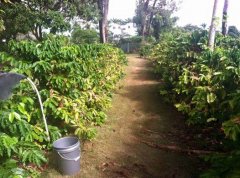
Costa Rica once banned the cultivation of robusta coffee and now dominates the world with honey-treated coffee.
Professional coffee knowledge exchange more coffee bean information please follow the coffee workshop (Wechat official account cafe_style) [Coffee producing trip] Costa Rican coffee once banned the cultivation of Robusta, now the Costa Rican coffee industry began to develop very early in the Costa Rican forest with honey, and coffee was shipped to Colombia and Chile in 1820.

A brief History of Guanacaster Coffee, Costa Rica Guanacaster Coffee producing area
Professional coffee knowledge exchange more coffee bean information please follow the coffee workshop (Wechat official account cafe_style) Costa Rica, Spanish La Republic de Costa Rica, English the Republic of Costa Rica, full name Costa Rica. San Jose, the capital, San Jose. The official language is Spanish. The administration is divided into 7 provinces, 81 counties and cities, 42

Introduction to the Distribution of Costa Rican Coffee Flavor production area _ what is passion honey treated coffee?
Professional coffee knowledge exchange more coffee bean information please follow the coffee workshop (Wechat official account cafe_style) Costa Rican coffee industry began to develop very early, in 1820 coffee was shipped to Colombia and Chile, and in 1845, with the assistance of the captain of the British merchant ship monarch, a hundred pounds of coffee was transported to London, which was called by the British aristocracy from Costa Rica.

The taste of Peruvian coffee. Is Peruvian coffee good?
Following caf é (Wechat official account vdailycom) found that the Cafe Beautiful Cafe opened a small shop of Peruvian coffee beans, which is most famous for its coffee beans from Mayou tea in the center and Cusco in the south. In addition, there are also some regions in northern Peru that produce specialty organic coffee. Organic coffee is made of beans grown in the shade of trees. Although the square planted in the shade of the tree

The difference between organic coffee and inorganic coffee. Will organic coffee taste better? organic coffee beans are recommended.
Professional coffee knowledge exchange more information about coffee beans please follow the coffee workshop (Wechat official account cafe_style) Peru, the mysterious capital. It is bordered by Ecuador and Colombia to the north, Brazil and Bolivia to the east and Chile to the south, which is the main body of the ancient Inca empire. The western part of Peru is run through the Andes, belongs to the dry plateau climate, and travels eastward to the Amazon plain, belonging to damp.

Introduction to the Coffee growing Environment in Peru
Follow Cafe (Wechat official account vdailycom) found that the coffee production in Peru has been greatly increased due to the fact that Peruvian coffee is grown in a planned way. Its rich acidity and mellow smoothness are its most prominent features. Peruvian coffee has a soft sour taste, medium texture, good taste and aroma, and is indispensable for the production of comprehensive coffee.

Colombian coffee producing area introduces how to drink Colombian Cauca micro-batch coffee?
For more information on coffee beans, please follow the coffee workshop (Wechat official account cafe_style) Columbia Coffee producing area Nalinglinglong Coffee producing area is located in the Andes Mountains at the junction of southeast Colombia and Ecuador (Andes Mountains, which begins in Chile and Argentina in the south, across the north and south of Colombia, and runs through exquisite production at the same time.

Introduction to the History and Culture of Bolivian Coffee
Following caf é (Wechat official account vdailycom) found that Beautiful Caf é opened its own shop Bolivia is a landlocked country in central South America, bounded by Brazil to the northeast, Paraguay to the southeast, Argentina to the south, Chile to the southwest and Peru to the west. The main topography is the plateau. Bolivia is the highest plateau country in the world, with an average elevation of more than 3000 meters
The source of Brazilian coffee. How does Brazilian coffee taste?
Following Caf é vdailycom (Wechat official account vdailycom) found that Brazil is located in the eastern part of South America and the west coast of the Atlantic Ocean, bordering all countries on the South American continent except Ecuador and Chile; the vast majority of the territory is located between the equator and the Tropic of Cancer, and Brazil is the most tropical country in the world. Environment

Rich and sweet Peruvian coffee flavor description introduction to the grinding degree of fine coffee varieties
Mount Coropuna and Mount Salcan are both more than 6000 meters above sea level, while Mount Vascalan is 6768 meters above sea level, the highest point in Peru. The main rivers are the Ukayari River and the Putumayo River. The southern part of the central part is volcanic with frequent earthquakes, and Lake Titicaca, which is the second largest lake in South America, lies on the southeast border with Bolivia. The northern part of the center contains oil along the coast and offshore. Rich anchovy off the coast (Peru